
Wildlife
Discover the rich biodiversity of Mycenae Gardens
Why Biodiversity Matters
The more different species thriving in an area, the healthier that environment is. This is a direct benefit for everyone living nearby, working at, or visiting the grounds. Having a diverse range of species enriches our lives and provides interest and pleasure for those who enjoy nature.
Natural Surroundings
The varied way trees reflect the passing seasons and provide changing colours throughout the year
Flora
Diversity
Different plants flower through spring and summer, creating a colourful tapestry of natural beauty
Insects & Wildlife
Butterflies, dragonflies, and countless insects burrow, crawl and fly around the gardens
Bird
Watching
Wide range of birds visit the grounds and surrounding gardens, easily visible to nature enthusiasts
Diverse Habitats
Mycenae Gardens offer many different habitats where wildlife can feed, hide, breed, and shelter. Within the gardens, there are:
- Old and young trees providing varied nesting and feeding opportunities
- Dead trees and fallen wood supporting insects and fungi
- Bushes and scrubby undergrowth with brambles and nettles
- Tangles and dense areas for shelter and nesting
- Open grassland rich with insects and invertebrates
- Mixed leaf litter providing food and shelter for countless creatures
Part of the grounds is set aside as a wildlife area with restricted access. Keeping people out of this quieter refuge gives birds, insects and other creatures somewhere to feed, breed and shelter undisturbed. The Friends of Mycenae Gardens have also planted new native live hedging, which in time will provide further shelter, nesting sites and food, and help link the different habitats together.
These habitats support a complex food web, with small creatures feeding larger ones, all ultimately providing sustenance for birds, which are easily visible to visitors, and bats, which few people notice at night.
Play the Wildlife Spotting Game
Spot the birds, trees, plants and insects of Mycenae Gardens, record what you see, and challenge your friends to see who spots the most.
Photograph Competition
Share your photographs of Mycenae Gardens in our friendly competition, judged four times a year. Two categories, adults and under-18s. Winning photos are displayed at Mycenae House and around the gardens.
Bird Species Recorded
Our 2015 survey recorded 23 bird species during monthly one-hour observations in the Woodland Dell. Several of these are breeding in the Woodland Dell, with the trees and undergrowth providing valuable and safe habitat. We've provided nest boxes to encourage birds to stay.
See a bird not listed?
Help us update our bird records
Flora Survey
Our local botanist surveyed the flora during April 2015 and identified 18 plant species thriving in the gardens.
See a plant not listed?
Help us update our plant records
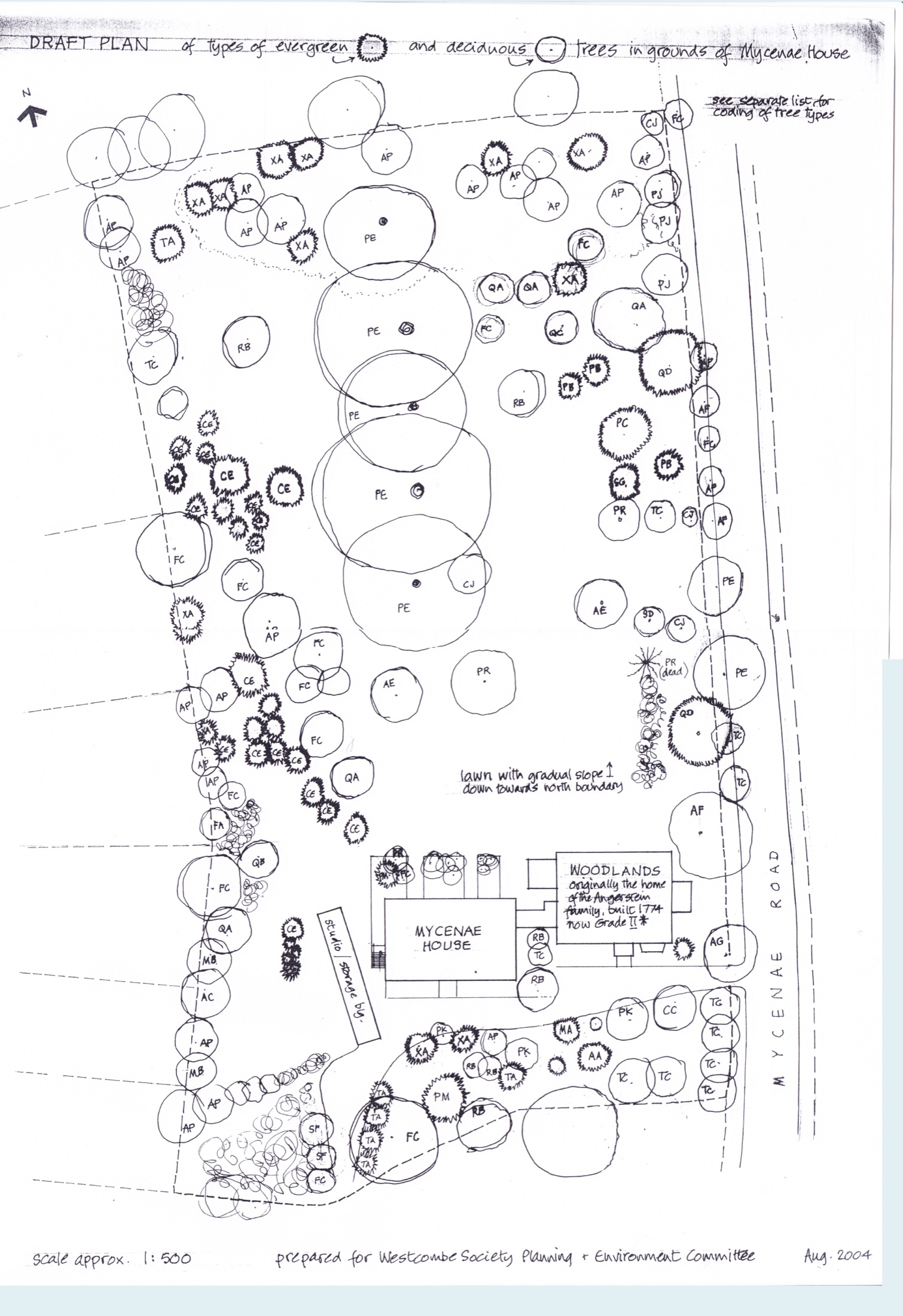
The Magnificent Trees
Mycenae Gardens is home to an impressive variety of tree species. The gardens feature nearly 40 different types of trees, including many specimens of significant size and age. One of the garden's most fantastic features is the magnificent London Plane trees, among the oldest in Blackheath, though their exact age is unrecorded.
See a tree not listed?
Help us update our tree records
A complete tree inventory is maintained, with one specimen of each type labelled throughout the gardens. Can you find them all?
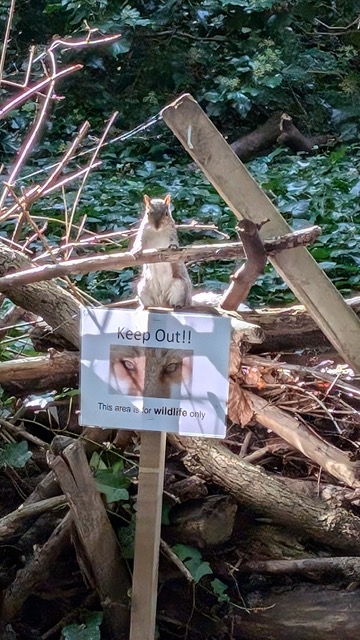
Habitat in action
Why dead hedges matter
A dead hedge may look like a simple line of woven branches, but it creates a sheltered corridor for insects and small animals while reusing pruned material from the gardens.
- Shelter: dense branches offer protection from predators and bad weather.
- Food: decaying wood supports insects, which in turn support birds and other wildlife.
- More variety: the new living hedge adds native flowers, leaves and berries for birds, caterpillars and butterflies.
The wildlife area has restricted access, and temporary mesh protects the young native hedge while it becomes established.
Read the hedge storyInsects & Invertebrates Survey
Our gardens and the Woodland Dell are a haven for insects, particularly wood-boring and wood-decaying species. The Royal Borough of Greenwich is a key London hotspot for the Stag Beetle, a protected species that relies on deadwood and log piles. We actively leave deadwood and build stag beetle loggeries to support their conservation.
See an insect not listed?
Help us update our insect records
Wildlife on the Move
The wildlife in Mycenae Gardens is frequently in a state of flux. While some species are in permanent residence, many are present only from time to time.

Seasonal
Migrants
Birds migrate here in spring and summer to breed after wintering in southern Europe or Africa.
Winter
Visitors
Others migrate here for our mild winters after summering in Scandinavia or northern Europe.
Opportunistic
Visitors
Some birds only appear when winter on the Continent is especially harsh.
Refuelling
Stops
Many use Mycenae Gardens as regular refuelling and dormitory stops during their foraging rounds.
The gardens are crucial not only to resident breeding species, but to all casual or short-term visitors for whom Mycenae Gardens is a life-saving pit stop during their journeys.
Conservation Status
Mycenae Gardens and the Woodland Dell are designated as a Site of Importance for Nature Conservation (SINC). This recognition reflects the significant contribution these gardens make to the biodiversity of the Westcombe Park area and the wider London ecosystem.
The Friends of Mycenae Gardens work in partnership with the Royal Borough of Greenwich to protect and enhance this valuable natural space for future generations.
Wildlife Reports & Surveys
We regularly commission professional ecological surveys to monitor and understand the wildlife in our gardens:
Ecologist Survey 2023
Comprehensive breeding bird and spring butterfly survey report
Bird & Plant Survey 2015
Monthly bird surveys and spring flora assessment
Tree Plan 2019
Survey of the largest trees in the gardens with species identification